

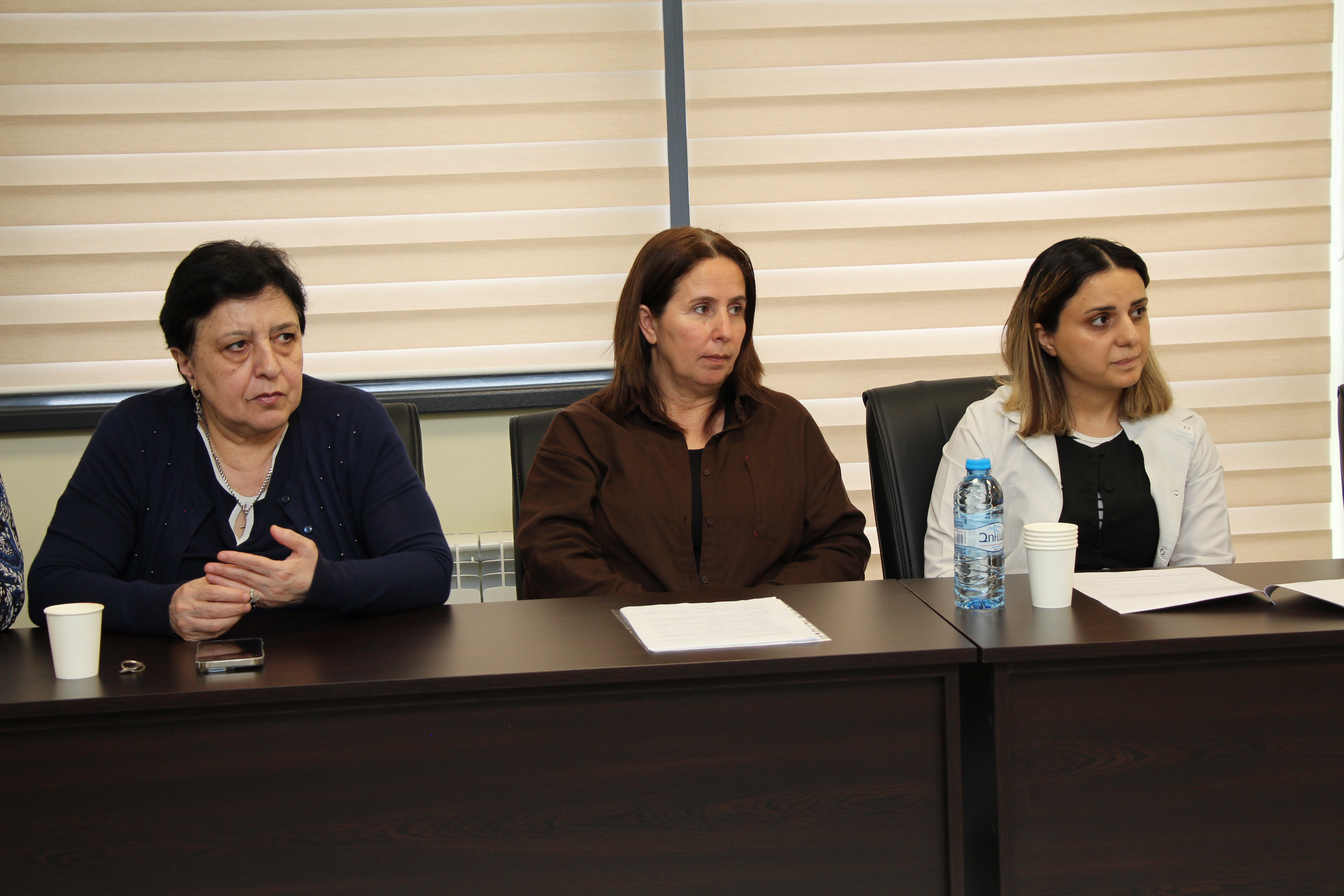
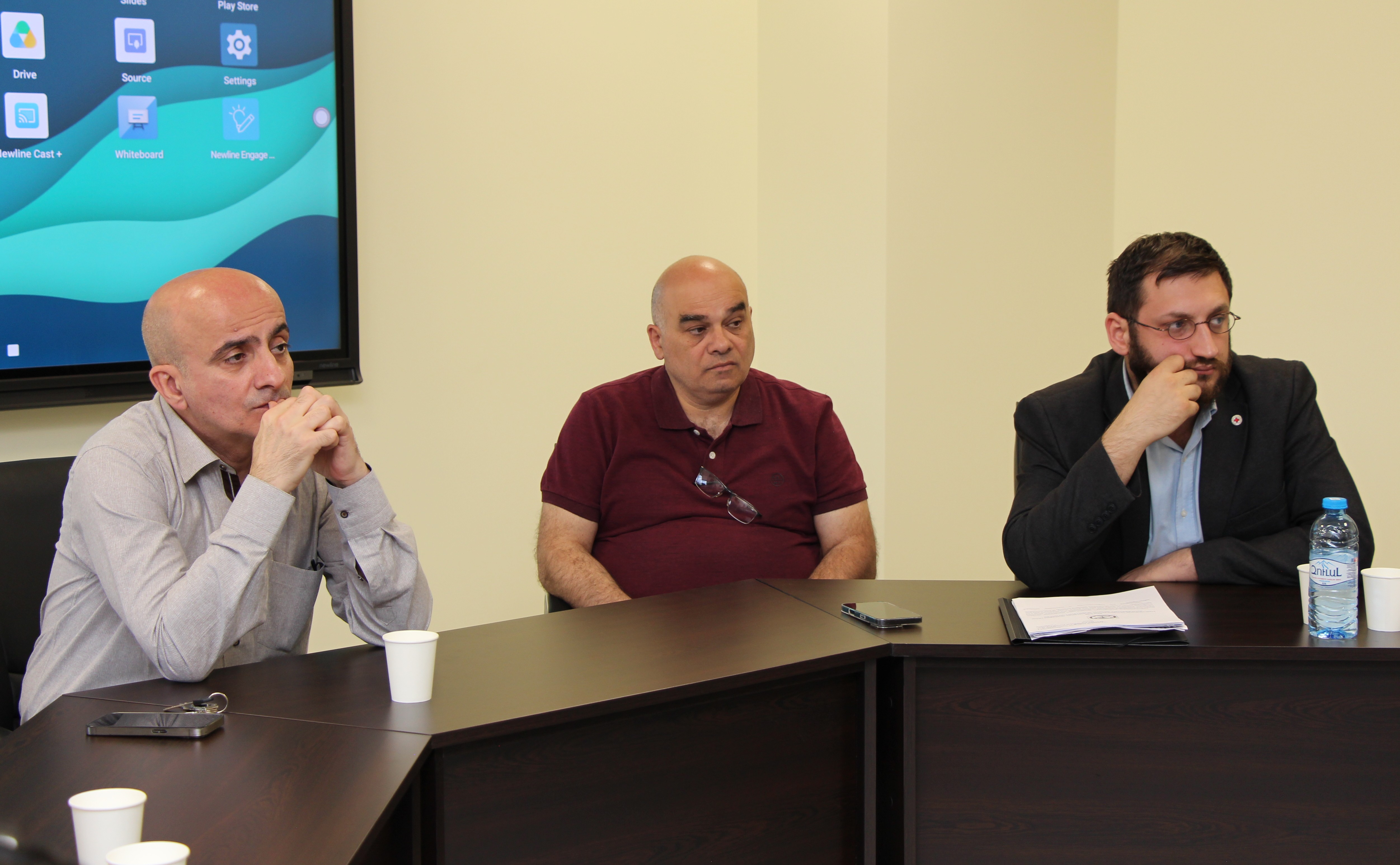
On June 2, ANQA conducted a monitoring at the Saribekyan International Medical University (formerly known as the University of Traditional Medicine).
The aim was to examine the extent to which the post-accreditation changes have contributed to the enhancement of academic programmes (APs), the strengthening of outcome-based education, the formation of students' clinical and practical skills and the implementation of the recommendations mentioned in the expert panel report.
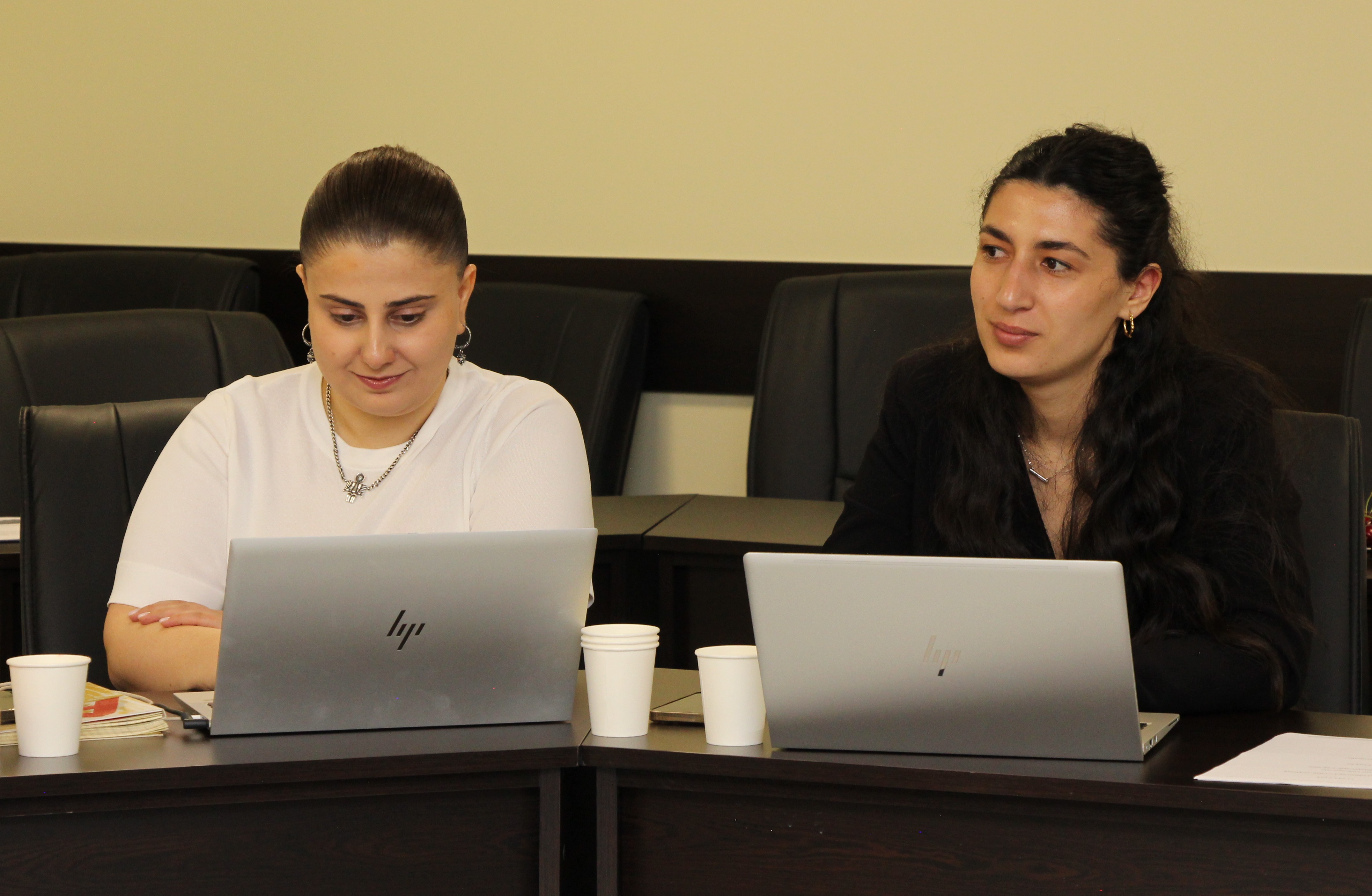
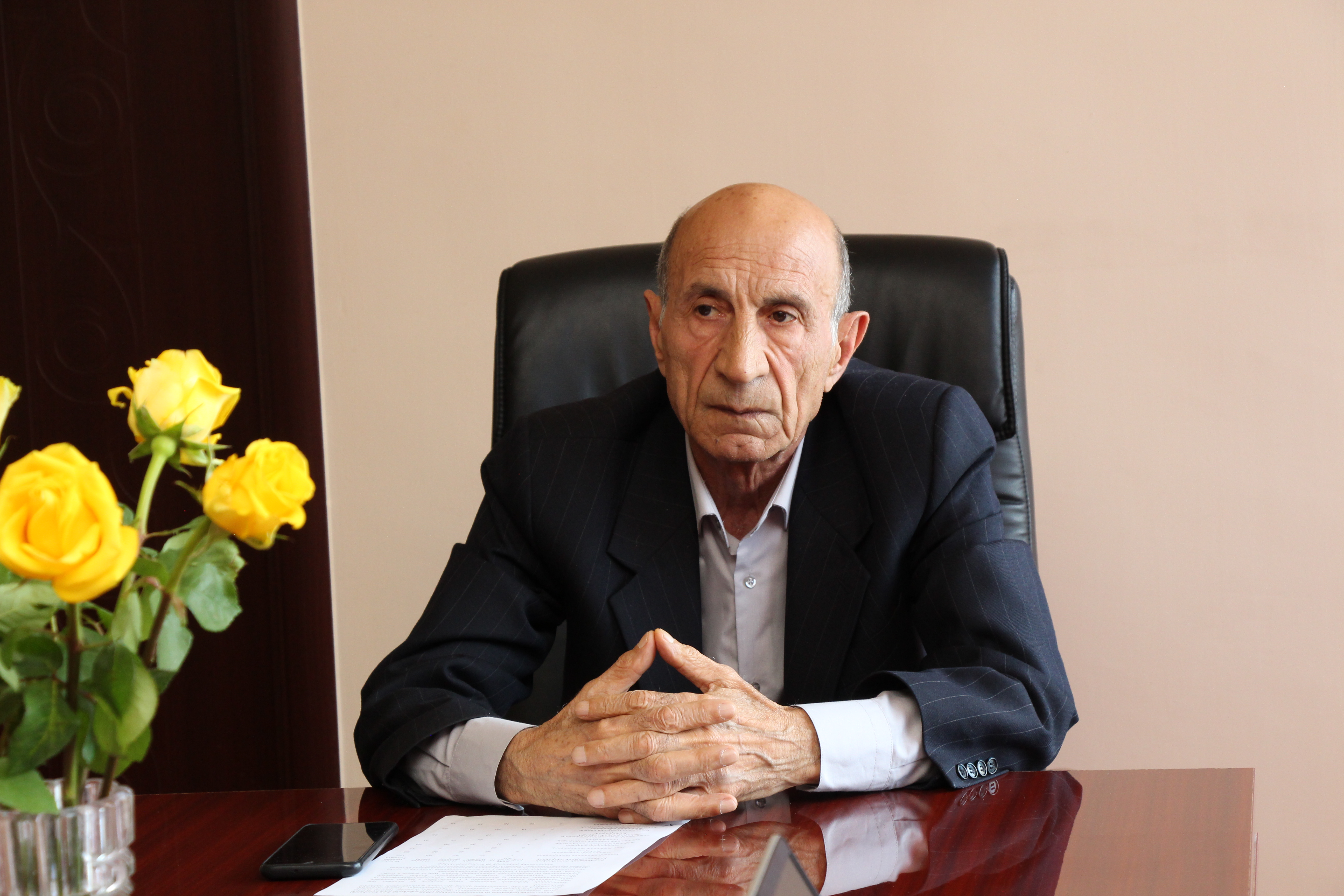
As part of the monitoring, meetings were held with the institution's management staff, representatives of the quality assurance centre, managers of APs that underwent self-audit, teachers and students.
The discussions addressed the development of the APs "Medical Case" and "Dentistry", their outcome mapping, organisation of practical classes, enhancement of assessment mechanisms, oversight of internships and the professional preparation of international students.
The institution’s name change and new strategic positioning were also discussed. It was noted that the name Saribekyan International Medical University reflects not only the institution’s repositioning but also a clearer focus on the AP content, teaching methods, assessment approaches and the pursuit of international recognition. It was stressed that the institution’s new strategic directions should become evident not only in the documentation, but also in the students' learning experience and acquisition of professional skills.
One of the key highlights was the effective implementation of the recommendations mentioned in the expert panel report. It was emphasised that the AP changes should be evaluated not only in terms of completed actions but also their impact, particularly on student learning, the development of clinical thinking, the tasks used to verify competencies and the criteria applied to assess their achievement.
The discussions also focused on outcome mapping and verification of their actual achievement. It was noted that the link between course and AP outcomes can be effective when it serves as a practical management tool. In this context, it was emphasised that each key outcome should be supported by a clear chain linking courses, assignments, practical activities, assessment criteria and evidence of students’ attainment of outcomes. The discussions further addressed the outcome-oriented application of teaching methods and practical assignments tailored to the specific requirements of medical education. In particular, the potential use of clinical case-based learning (CBL), problem-based learning (PBL), roleplays and simulation exercises was addressed. It was highlighted that these methods should be integrated into APs as planned programme-level approaches rather than as individual teachers’ initiatives. Their integration should be clearly aligned with the AP outcomes, learning assignments, assessment criteria and the development of students’ clinical thinking.
The need to enhance assessment systems was under separate discussion. It was emphasised that assessment in medical education should extend beyond the mere reproduction of knowledge and provide objective evidence of students’ practical and clinical competencies. In this context, particular attention was given to the introduction of structured assessment methods, such as OSCE/OSPE, as well as checklists and well-defined assessment criteria. These tools were considered essential for the assessment of the quality of student performance and promotion of professional development through feedback mechanisms.
Importance was attached to the development of a system for organisation, oversight and assessment of internships, especially for international students. It was emphasised that internships should be guided by clearly defined outcomes, assignments, management and mechanisms for documentation and assessment. It was highlighted that, in the case of internships completed abroad, the institution should set clear, controllable and comparable requirements for internship sites, supervisors, assigned activities and expected competencies. Another important point was the preparation of international students for professional examinations and careers. Given the institution’s international student profile, it was stressed that the AP revision should be informed by the professional and licensing requirements of the countries where students are expected to continue their education or professional activities. This approach can contribute to the international recognition of academic programmes and increase the alumni competitiveness.
Referring to the quality assurance system, it was emphasised that its primary purpose should be to collect and analyse data on the AP effectiveness and support enhancement-led decision-making. Particular importance was attached to the feedback from students, teachers, internship supervisors, alumni and international stakeholders not only in terms of satisfaction evaluation, but also for the substantive development of academic programmes.
Summing up the monitoring results, it was emphasised that strengthening accountability for the achievement of AP outcomes should be a priority in the institution’s further development. It was emphasised that the institution’s new strategic positioning, the revision of the APs, efforts to align with international standards, and the development of assessment mechanisms should all be directed towards a common goal: ensuring that students acquire and demonstrate the clinical and practical competencies required for future doctors and dentists.