

In the programme accreditation process, the academic programme (AP) is regarded as a coherent system that should clearly demonstrate the competencies expected of future specialists, how these competencies are developed throughout the programme and the tools used to verify their achievement.
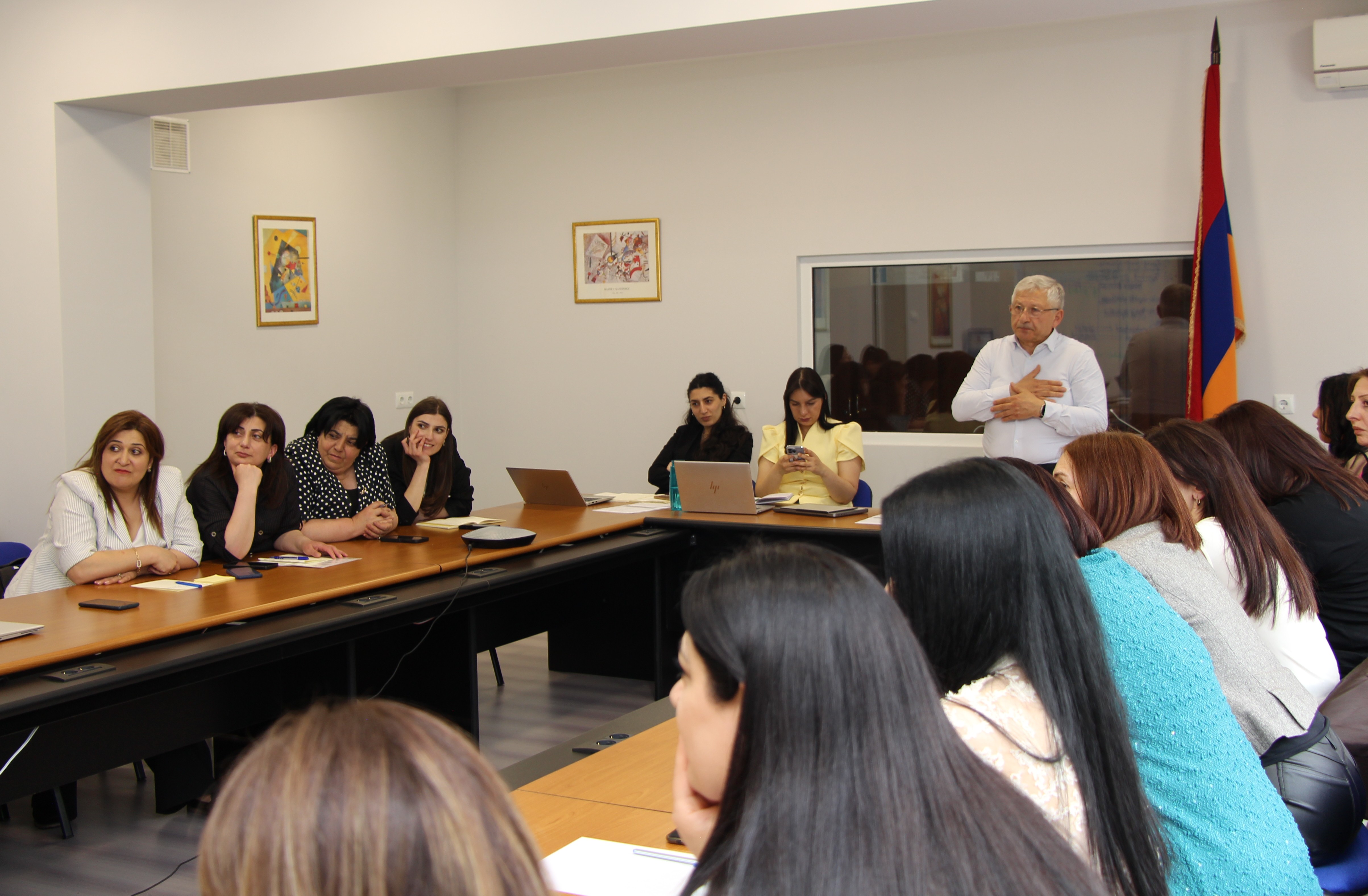
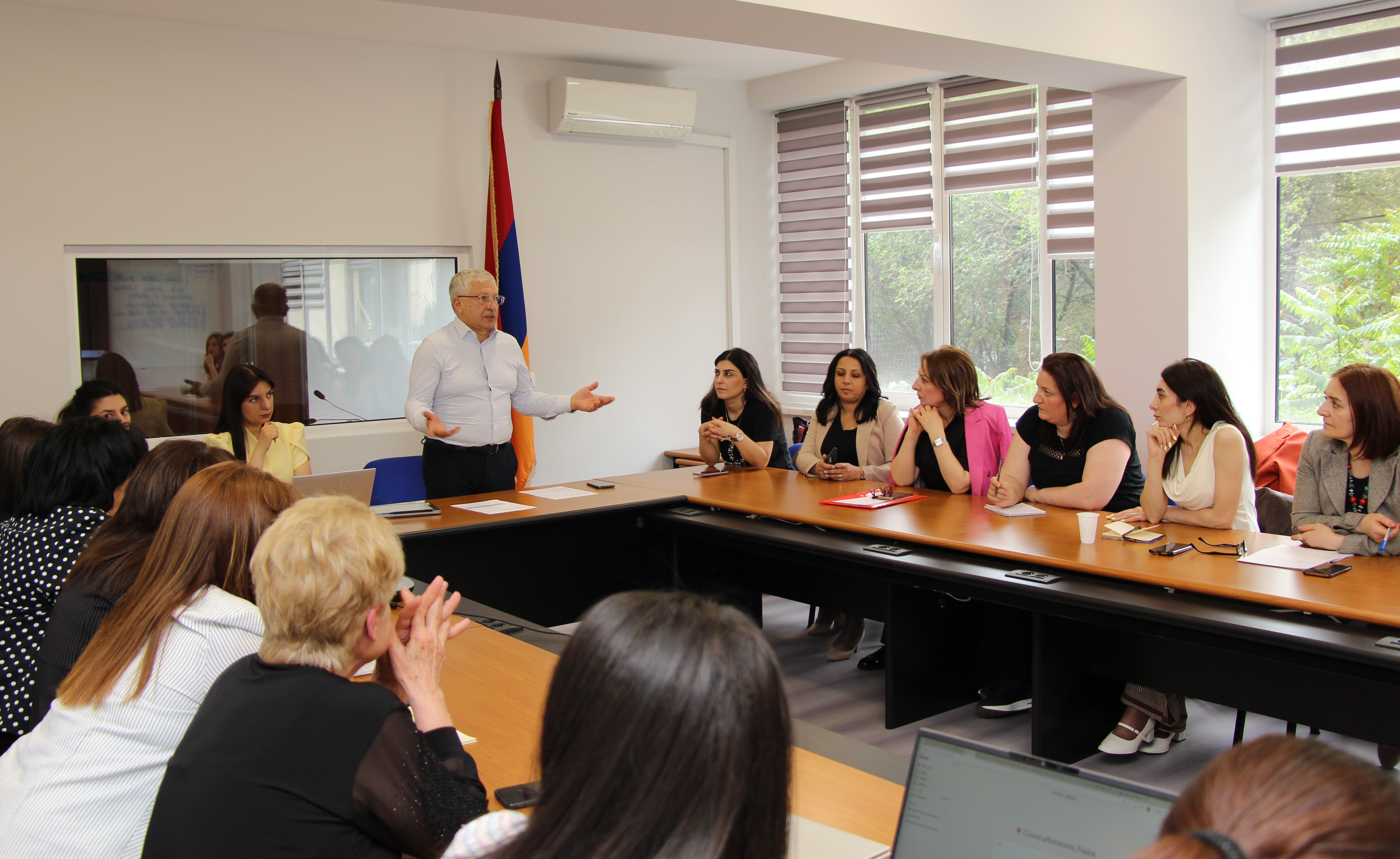
This logic underpinned ANQA’s workshop held on June 2, bringing together representatives of medical VET institutions in the programme accreditation process. The participating institutions included Gavar State Medical College, Kapan State Medical College, Kotayk Regional State College and Ararat Regional State College.
The workshop's key focus was the demonstration of the links between the AP outcomes, the modules responsible for their achievement, and the teaching staff capacities. The participants explored the alignment between the professional competencies envisaged by the APs, the modules responsible for their development, the teaching and assessment methods applied and the capacities required of the teaching staff to ensure the achievement of the intended learning outcomes.
Through the roleplay, participants viewed the AP from two perspectives. Acting as employers, they identified the minimum mandatory competencies required for safe and quality professional practice. Acting as teachers, the participants mapped the intended competencies to the relevant modules, the assessment methods responsible for their development and the teaching capacities needed to ensure their achievement.
In this context, not only the AP outcomes were mapped, but also the teaching capacities required to ensure their attainment were mapped. The mapping was viewed as a programme evaluation tool that helps demonstrate the alignment between intended outcomes, the modules responsible for their achievement, the teaching methodologies applied and the assessment skills required of teachers to ensure the reliable attainment of these outcomes.
The workshop focused on the targeted development of the teacher capacities. The discussions highlighted that the teachers' professional development should be driven by the APs' intended outcomes, rather than by general teaching approaches. In other words, the first step is to identify the competencies that students are expected to develop. This should then determine the professional, methodological and assessment capacities that teaching staff need to cultivate, develop and assess those outcomes.
Particular emphasis was also placed on assessment mechanisms. It was highlighted that assessment in medical education should demonstrate not only students' knowledge, but also their ability to apply it in a range of real or simulated professional contexts.
This series of workshops offers VET institutions an opportunity to approach programme accreditation as a capacity-building process, enhance APs and prepare future professionals for safe and responsible practice.