

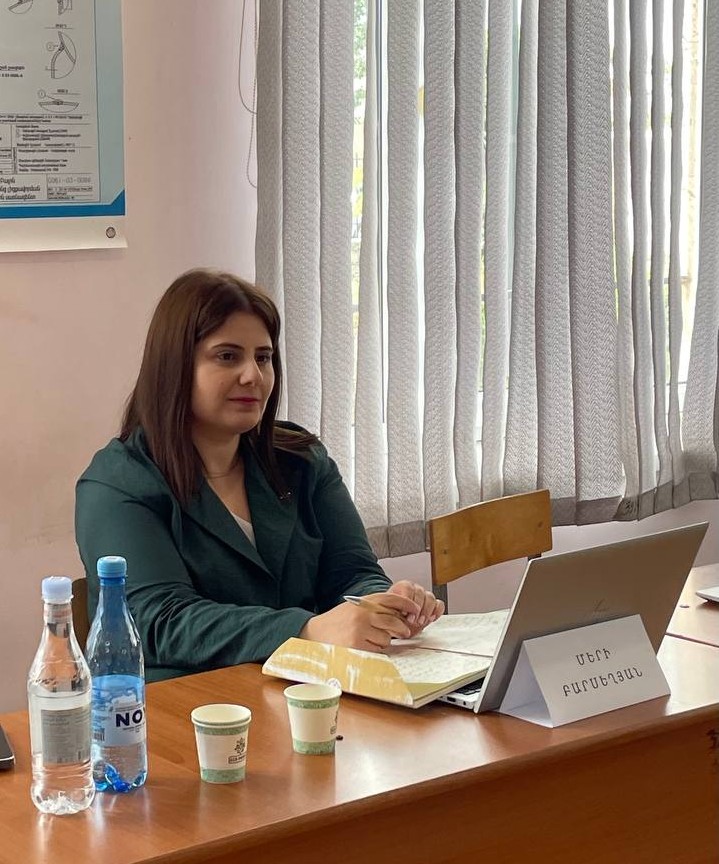
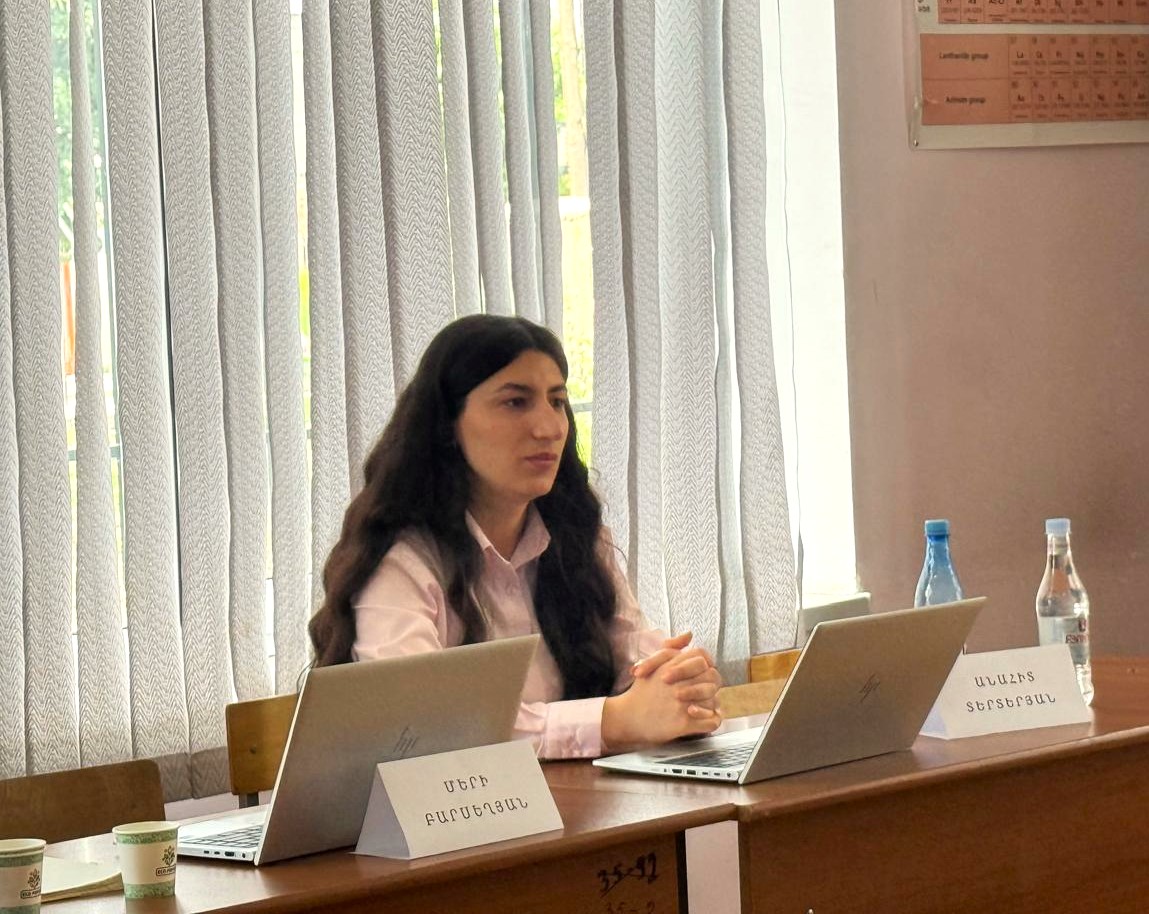

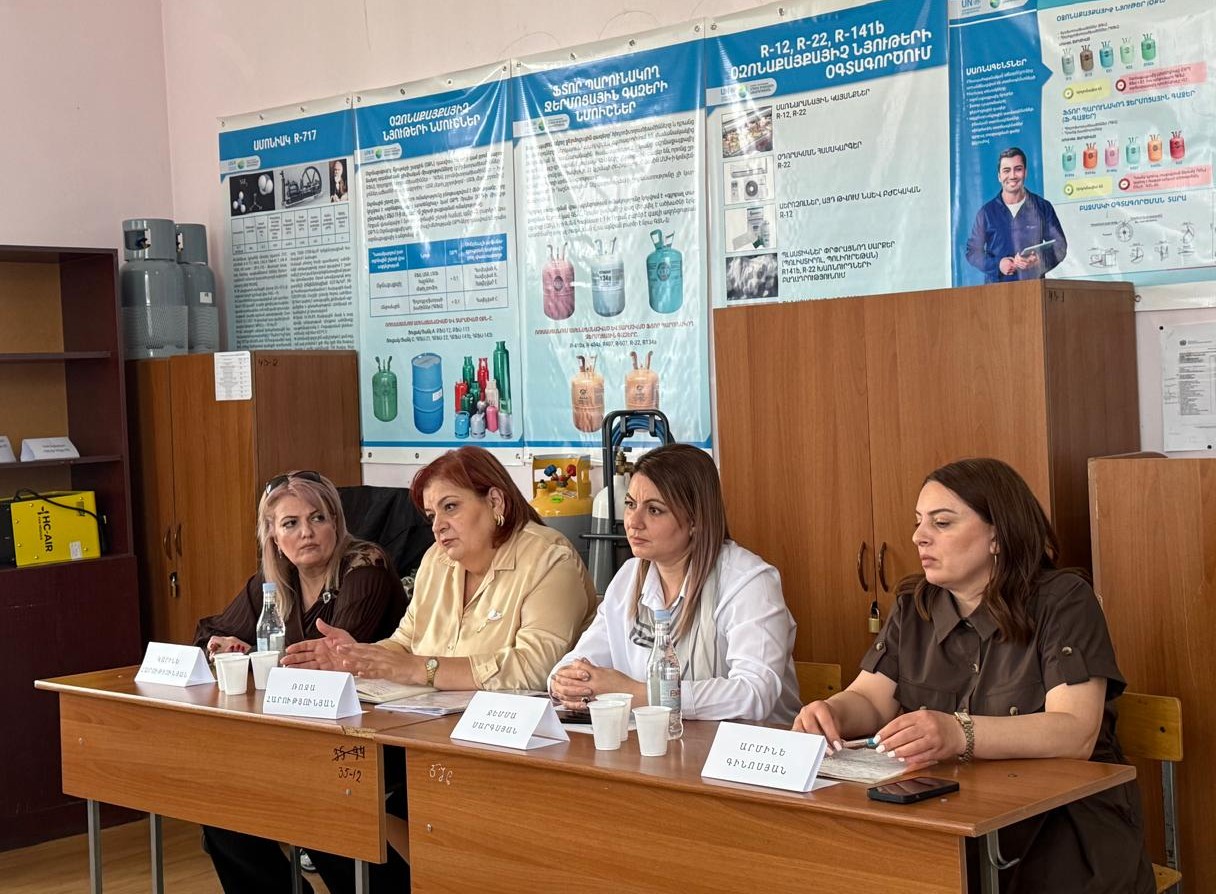
On May 29, ANQA conducted a monitoring at the Armavir Regional State College. The aim was to examine how the institution's newly developing internal quality assurance system supports the enhancement of academic programmes (APs) and the formation of students' practical skills.
The monitoring focused on the effectiveness of practical teaching, exploring the extent to which students experience the complete spectrum of professional activities throughout their studies, receive feedback, and develop the capacity to perform not only under the guidance of teachers or employers but also independently as future professionals.
As part of the monitoring, meetings were held with the institution's management staff, heads of chairs and teachers, students and quality assurance managers. The discussions addressed the AP management, practical teaching, progress analysis, employer involvement and introduction of dual education.
It was emphasised that practical teaching should be organised as a holistic process rather than a series of separate actions. Regardless of their professional fields, students should be able to engage in the complete sequence of professional activities, from understanding and planning the assignments to their implementation, identification of mistakes or issues, selection of an appropriate solution and evaluation of results. This approach enables to link practical teaching not only to the performance skills, but also to the formation of the student's professional thinking and the ability to act independently.
In this context, emphasis was also placed on the role of feedback provided to students.
The discussions highlighted that feedback as part of practical activities should help students not only to identify mistakes but also to understand their underlying causes, determine how they can be corrected and make informed professional decisions. Through this approach, students gradually move from mere participation to independent professional practice.
From the perspective of the AP enhancement, a reference was made to the format of subject committee reports and progress analysis. It was highlighted that such analysis can help the institution not only identify students' grades, but also specific modules, stages of the practical skills development and assignments that cause difficulties for students. This data is an important basis for the enhancement of teaching, assignments, assessment and practical teaching.
With regard to the introduction of dual education, importance was attached to the clear division of responsibilities between the institution and employers. Employer involvement was considered in terms of not only the provision of internships or workplace opportunities, but also the design of practical assignments, the monitoring of student progress, feedback and participation in the assessment process.
Emphasis was placed on the responsibility chain for the AP content. The interconnected roles of the AP manager, the subject committee, the teachers, employers and quality assurance managers were highlighted to ensure the issues identified at the programme level are translated into practical enhancement actions.
The visit concluded with the observation that the further improvement of the APs should continue to follow the holistic approach to practical skills development, from intended outcomes to assignments, feedback mechanisms, assessment, employer participation and data-driven enhancement.