
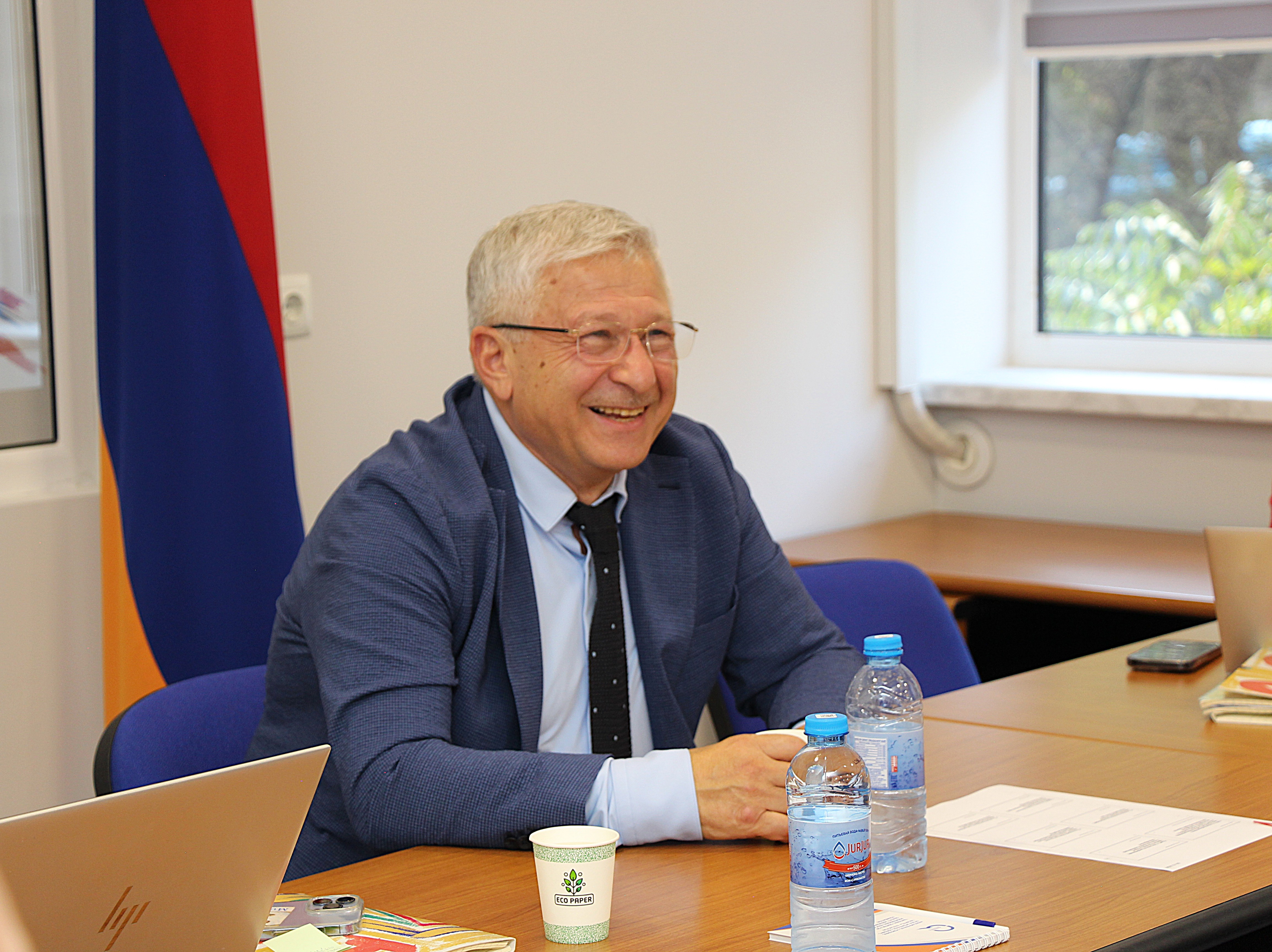
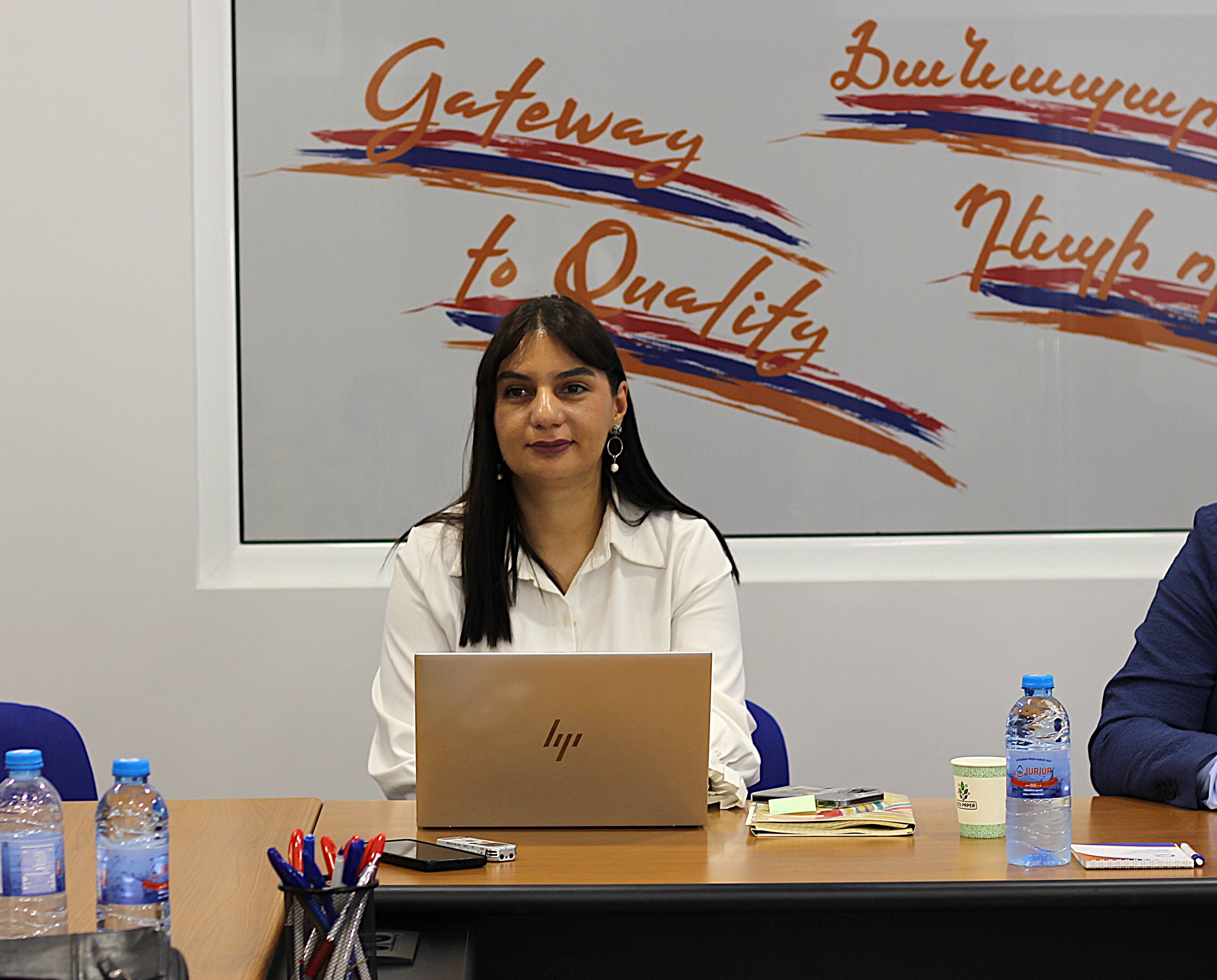
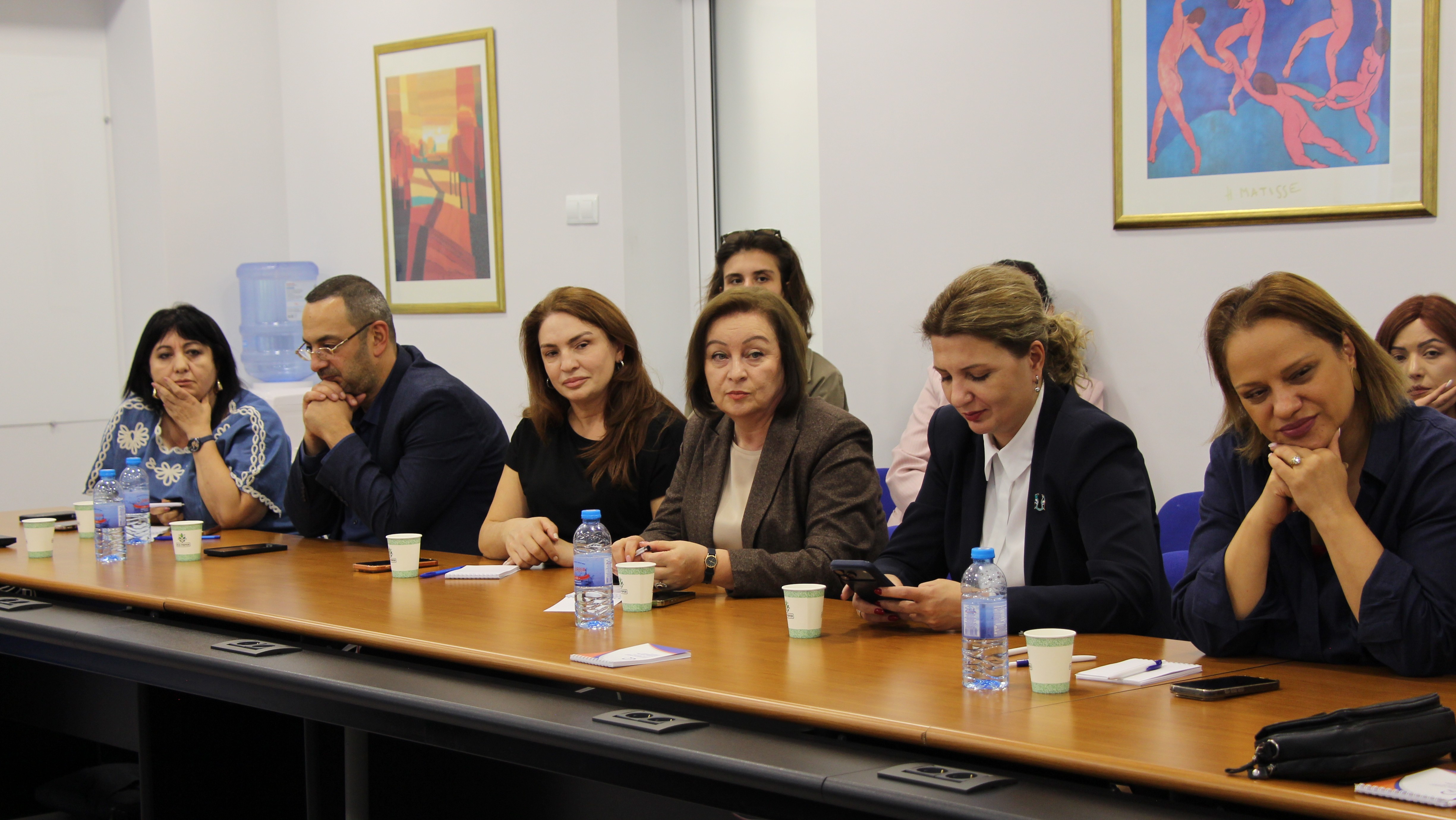
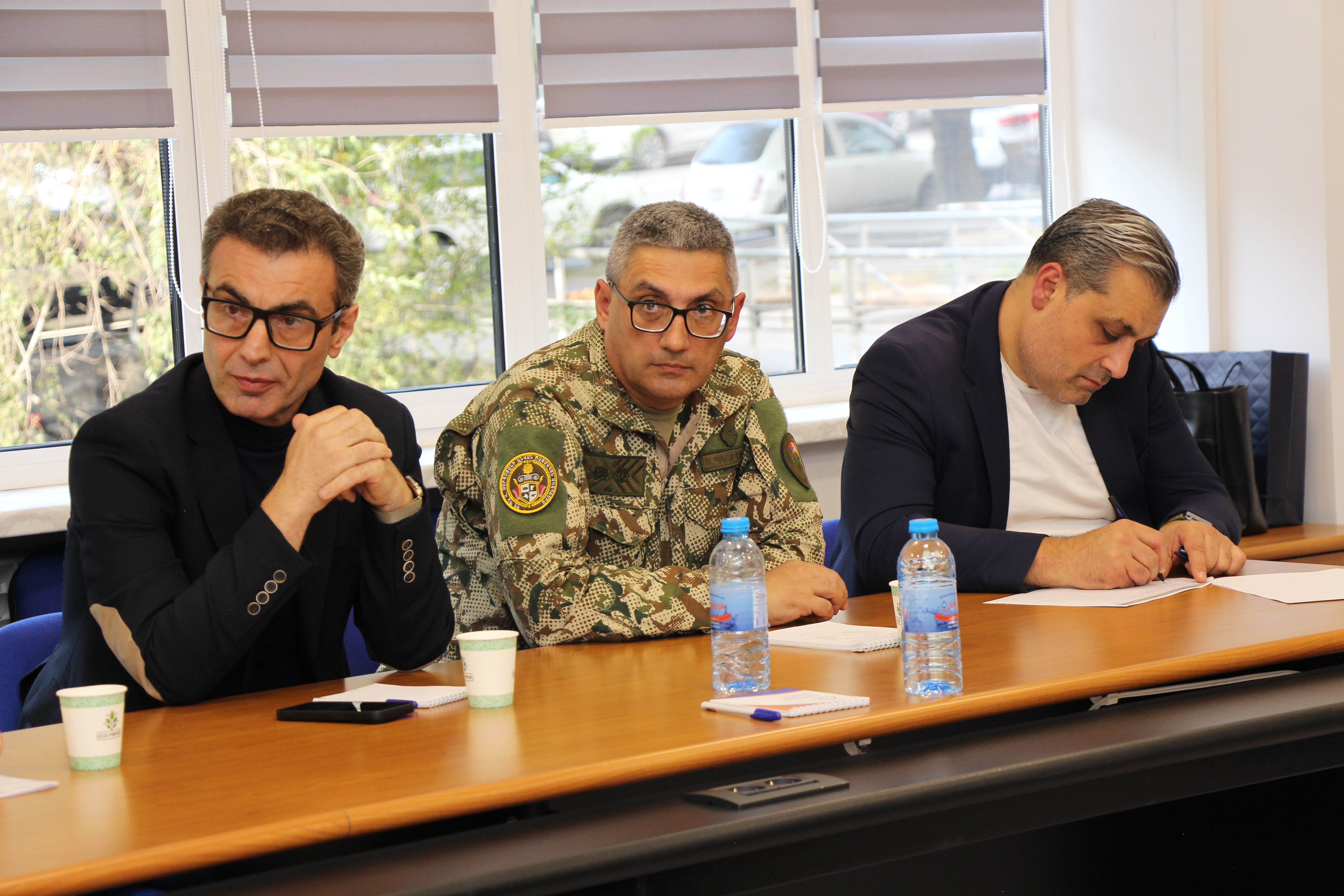
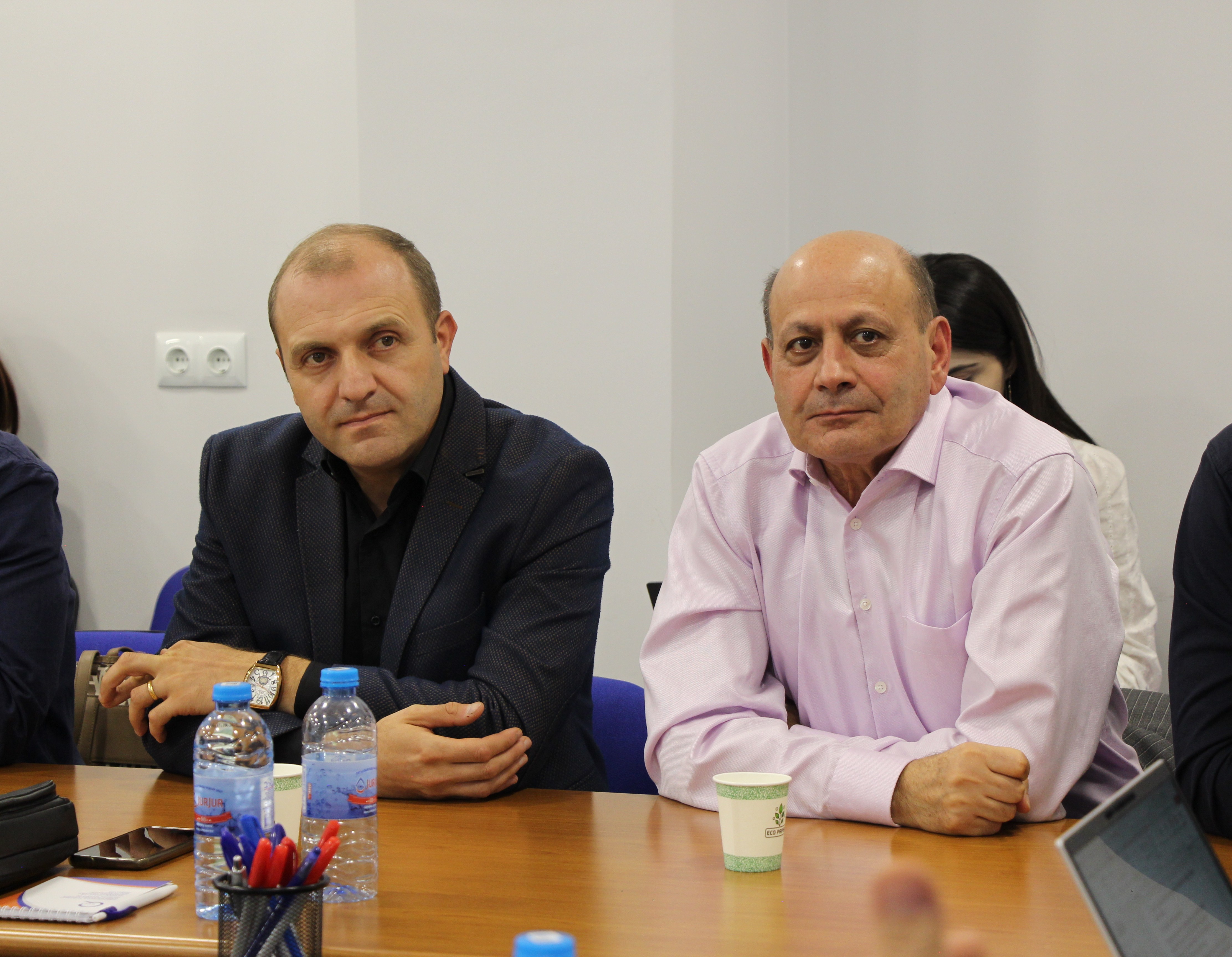
Accreditation has enabled HEIs not only to identify their issues more clearly but also to incorporate measures to address them into their development plans, conduct self-audits, allocate resources and revise their approaches to the academic programme (AP) evaluation. These changes and further development opportunities were discussed at ANQA's meeting held on October 9, with the participation of vice rectors from Armenian HEIs.
The discussions aimed to evaluate the actual impact of accreditation processes on the development of HEI governance, APs and internal quality assurance (IQA) systems, as well as to identify directions for further enhancement of external quality assurance (EQA).
From first accreditation to systematic enhancements
The HEI representatives shared the changes their institutions have undergone over successive accreditation cycles. According to their observations, while the first accreditation cycle primarily focused on understanding the requirements, identifying issues and documenting processes, subsequent cycles placed greater emphasis on the solution of the identified issues, enhancement planning and evaluation of their outcomes.
The shared practices demonstrated that, in a number of HEIs, expert panel recommendations have served not only as a basis for follow-up plans but also strategic decisions and development plans.
In particular, HEI representatives discussed changes in response to expert panel recommendations, the allocation of financial resources for AP enhancement, the involvement of international experts and the conduct of self-audits. They also introduced how expert panel recommendations have been incorporated into institutional and sectoral development plans.
Thus, the discussion highlighted a significant shift in the QA development: from the focus on the compliance with requirements towards the systematic identification of issues, the implementation of measures to address them and the evaluation of their outcomes.
From self-audits to the verification of learning outcomes
One of the key discussion areas was the QA development for APs.
The discussion covered self-audits of APs conducted in recent years, programme accreditation and the strengthening of outcomes-based approaches in these processes.
It was highlighted that the evaluation of AP quality should go beyond the clear definition of intended learning outcomes to include verification of their actual achievement. In this regard, particular emphasis was placed on the development of assessment rubrics, the evidence analysis of students’ achievements and the alignment between teaching, learning and assessment methods.
HEI representatives regarded self-audits as an important tool for the periodic evaluation and enhancement of APs. Meanwhile, they highlighted the need to develop the necessary professional capacities, select relevant experts and clearly define the AP managers' responsibilities to ensure the effective implementation of self-audits.
ANQA–HEI cooperation: from evaluation to development support
The meeting also addressed ANQA's evolving role in the development of accreditation processes.
According to HEI representatives, pre-accreditation workshops have contributed to a deeper understanding of the processes and requirements, while expert panel recommendations have helped institutions clarify their development priorities.
Several participants emphasised that ANQA is increasingly perceived as a partner in quality enhancement. Meanwhile, importance was attached to the HEIs' autonomy and responsibility for their own development.
The discussion highlighted that the effectiveness of EQA depends not only on the issues identified through evaluation but also on how HEIs use the evaluation findings and the support they receive in follow-up actions.
In this context, particular emphasis was placed on the systematic and thematic analyses based on expert panel recommendations, dissemination of HEI best practices, continuous institutional capacity building and methodological support.
Future directions for the EQA development
The discussion also addressed opportunities for the further development of the EQA system, including the expansion of programme accreditation, joint accreditations with international partner agencies and the consideration of the specific characteristics of different professional fields.
The meeting outcomes highlighted that the accreditation impact should go beyond the process completion or the accreditation status, considering the changes implemented within HEIs, their sustainability and impact on education quality.
The HEI practices, observations and recommendations will inform ANQA’s further analysis of accreditation effectiveness, clarification of priorities for methodological support and enhancement of EQA processes.