



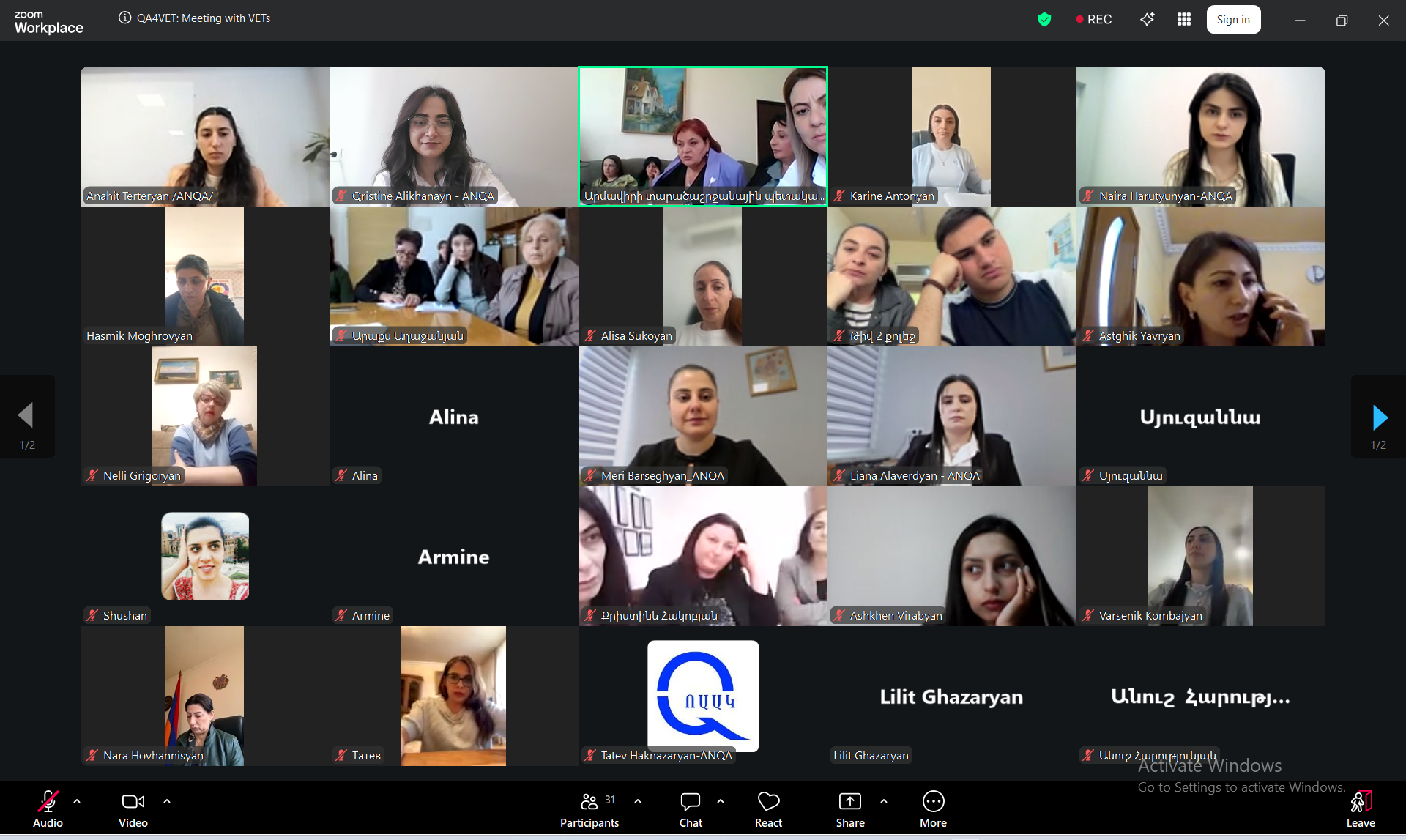
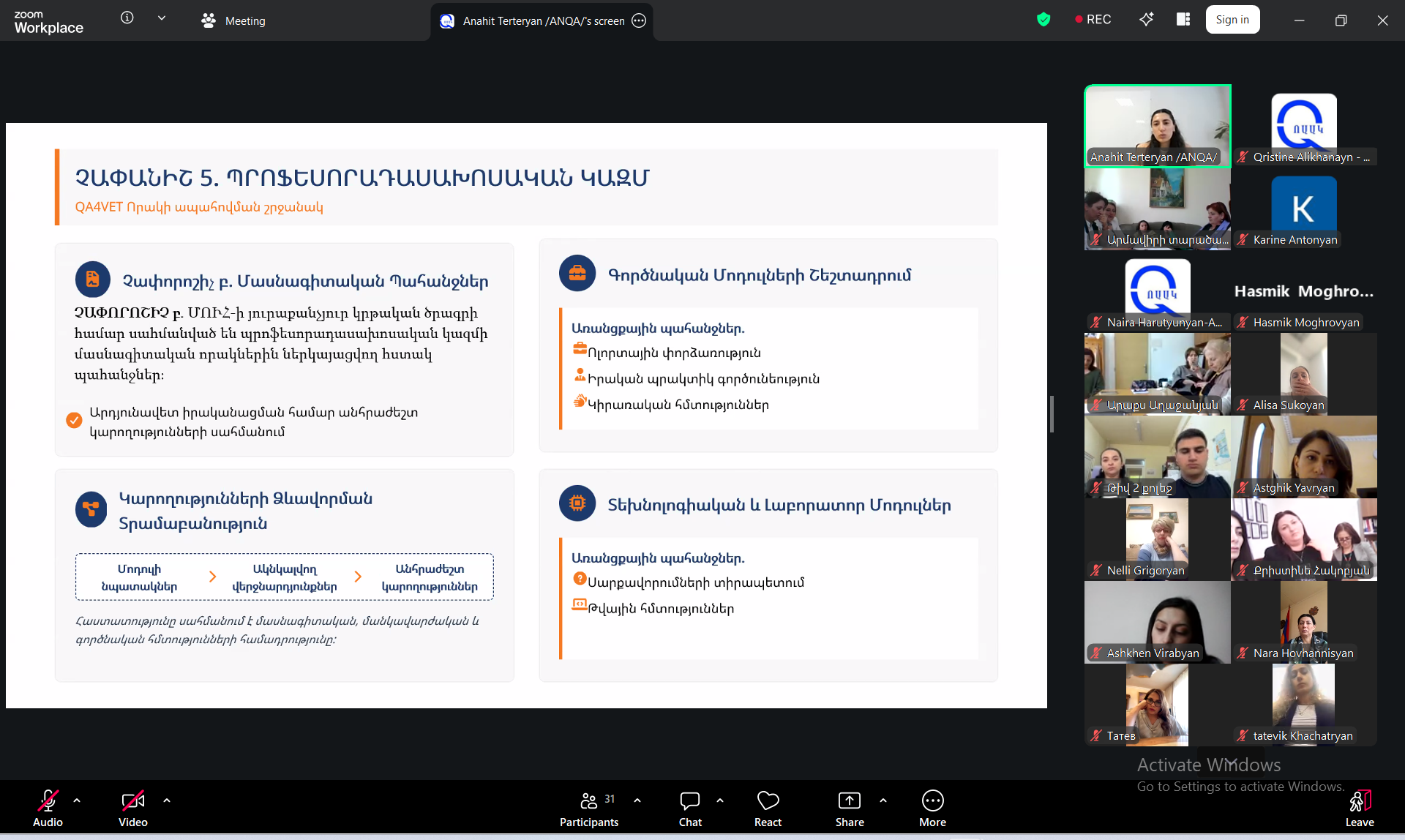
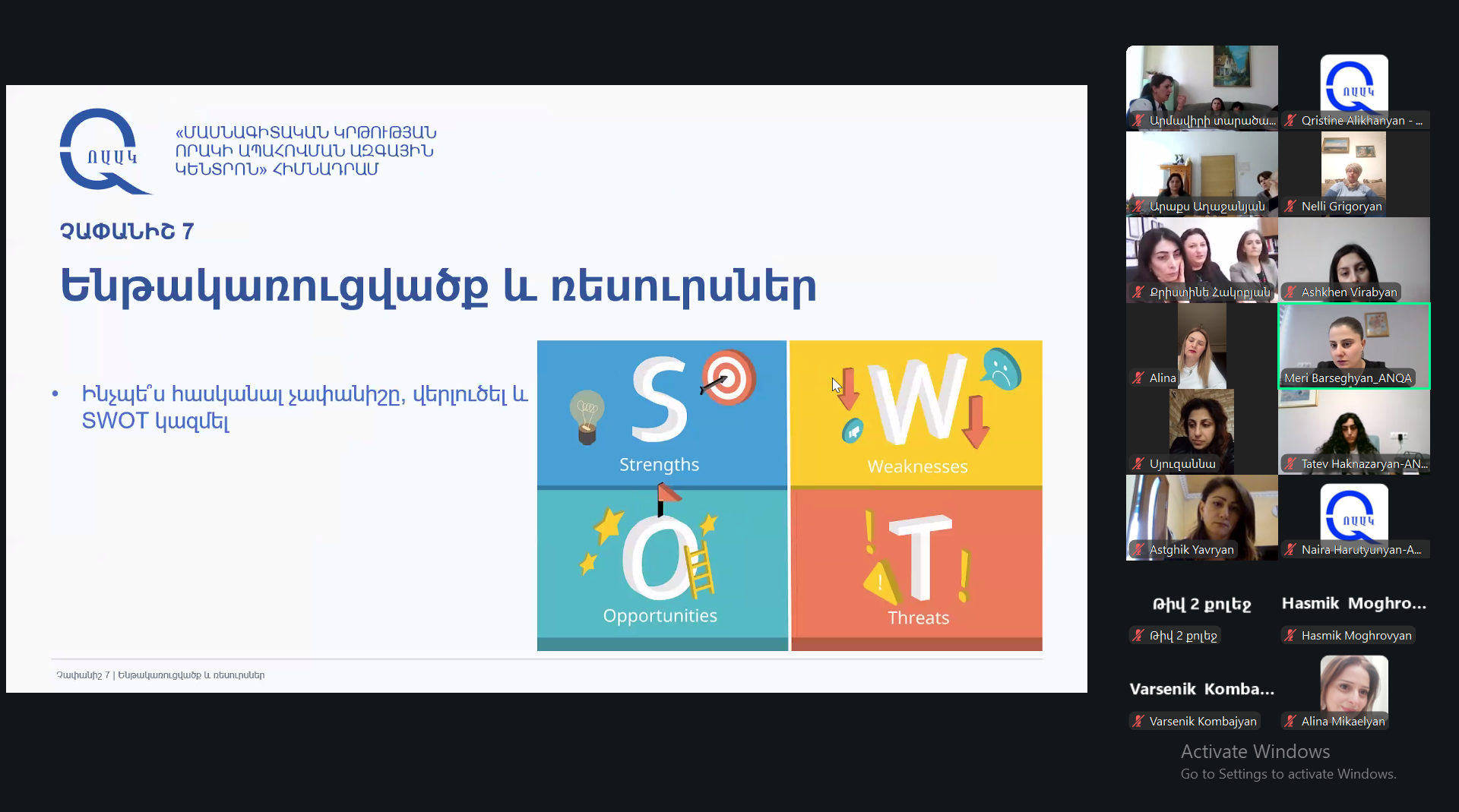
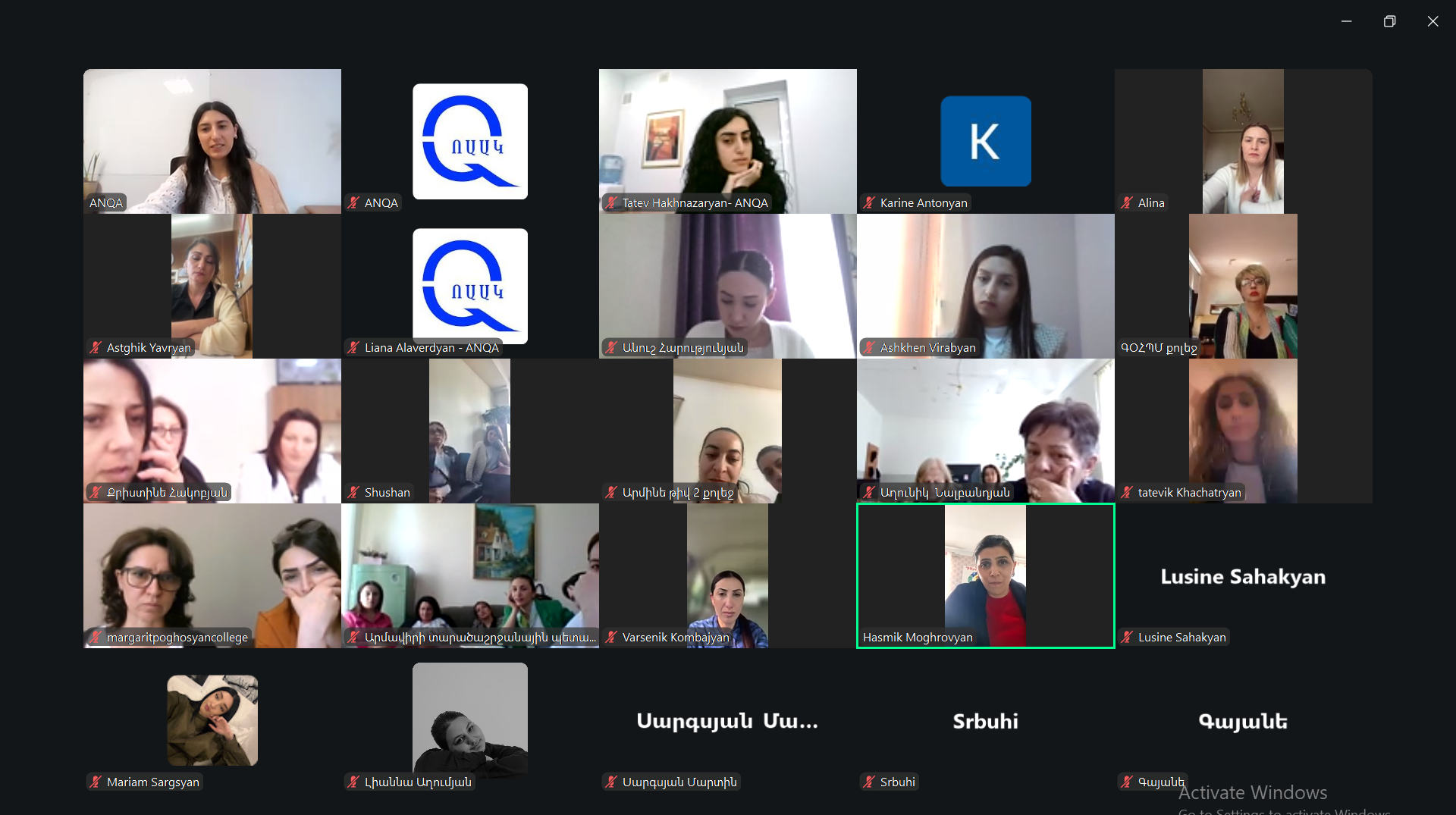
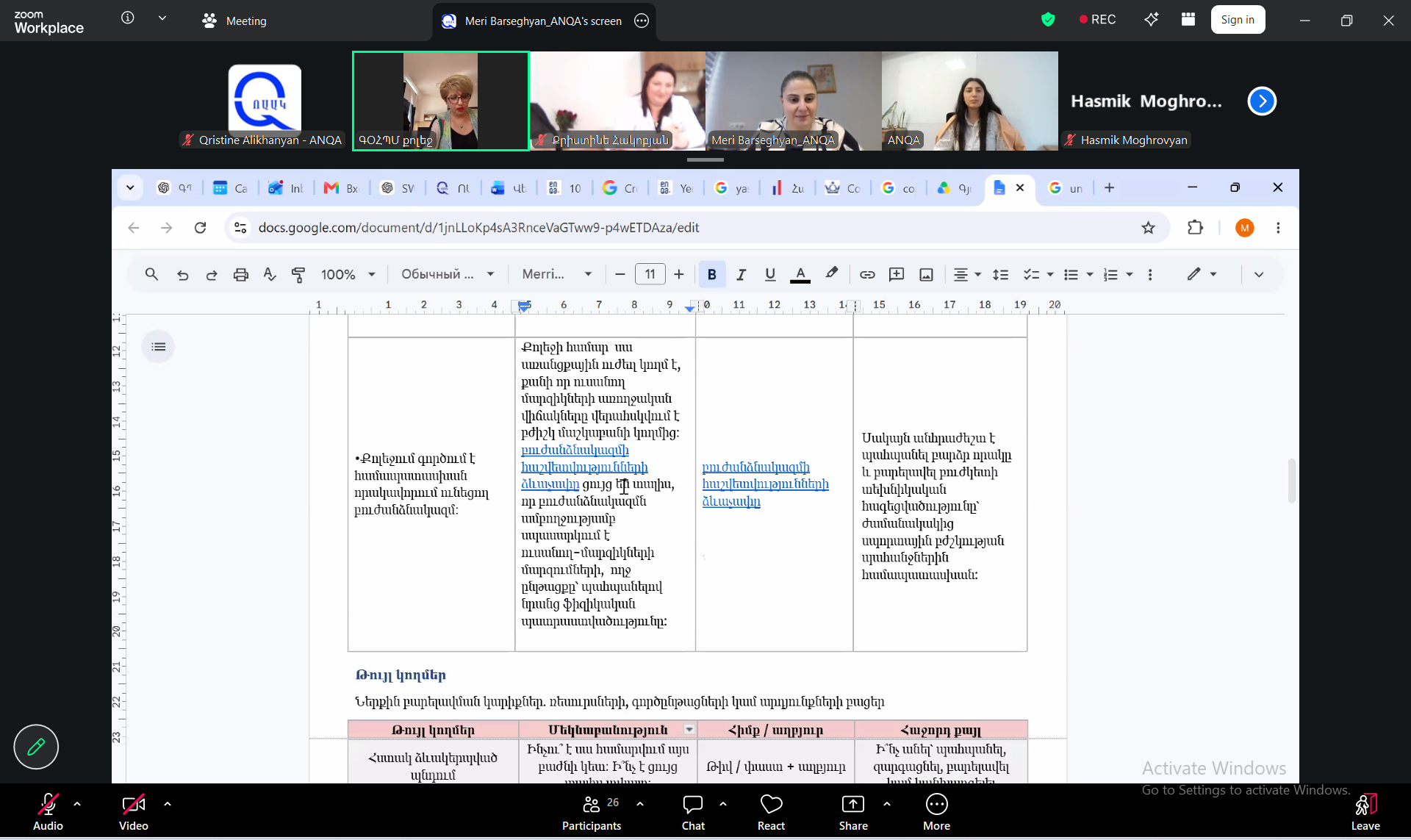
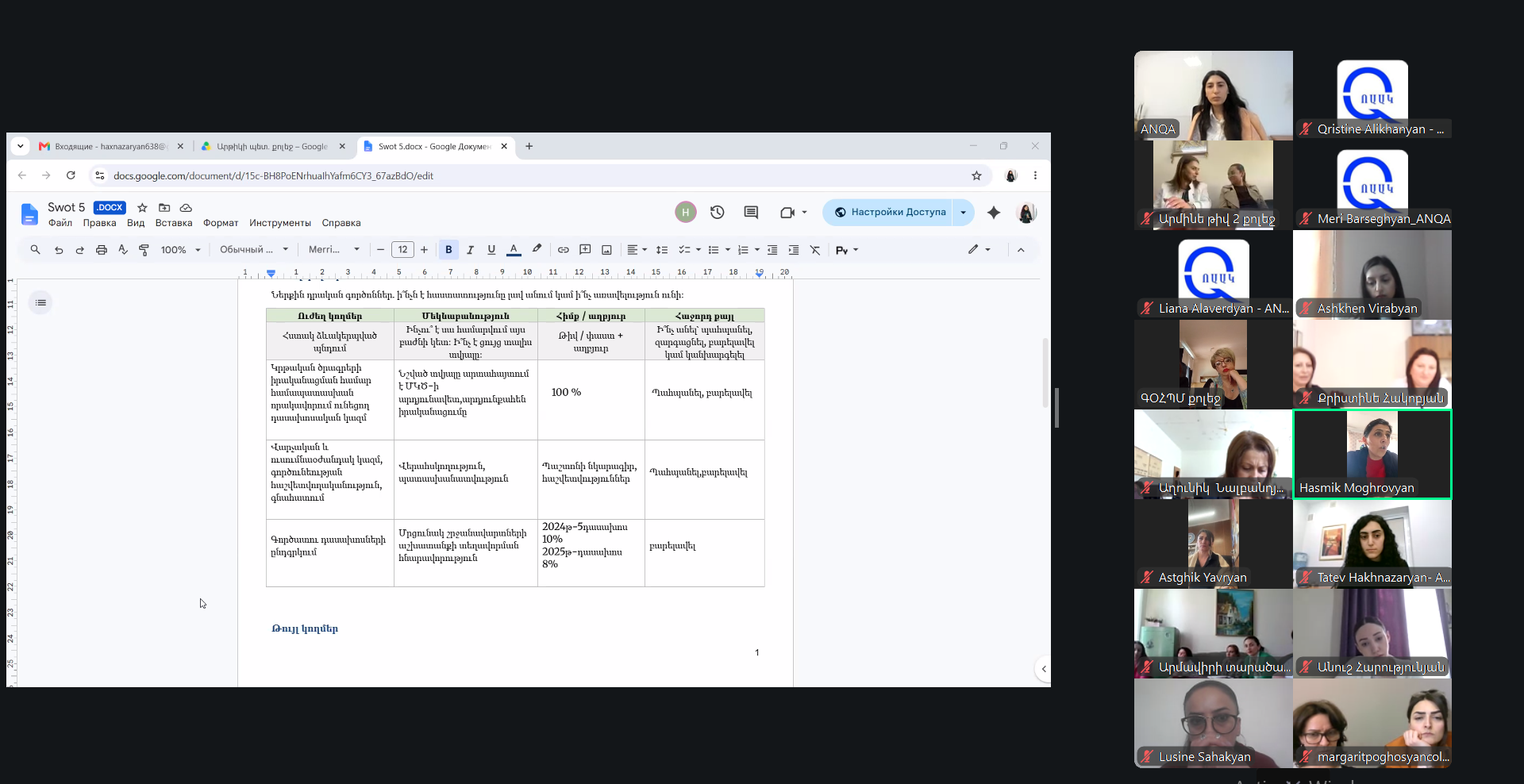
During the workshops held on May 19 and 21 as part of the Erasmus+ QA4VET project, the VET institutions’ working groups shared their work on academic programmes (APs), teaching staff, resources and infrastructure, as well as SWOT analyses.
The discussions highlighted that the effectiveness of APs should be evaluated not only through the implemented activities or available resources, but also through their impact in terms of learning outcomes, learner progress and alignment with the labour market requirements.
Teaching staff: a key prerequisite for the successful AP implementation
The discussions focused on the selection, evaluation and professional development of the teaching staff. Participants shared various approaches to the engagement of teachers, including industry practitioners and employer teachers. It was also discussed how employer teachers can contribute to the strengthening of the applied orientation of the APs and more effectively address the labor market requirements.
ANQA's specialists attached importance to the evaluation of the effectiveness of teachers' professional development, highlighting that it should be considered not only from the perspective of training participation, but also from their impact.
- What changes have been observed in the teaching process?
- How have learning outcomes been improved?
- How have training programmes contributed to the AP development?
Educational resources and infrastructure
The effectiveness of educational resources and infrastructure was also addressed.
The discussions highlighted that the resource adequacy should be evaluated not only by quantity, but also in relation to their impact on the formation of learning outcomes. The regular update of resources and their alignment with the evolving requirements of the sector was also stressed.
Employer engagement as an important factor in the AP development
Special emphasis was placed on the employer engagement in the educational processes. It was noted that the employers' involvement can contribute to:
- the AP development and revision;
- the organisation of practical training;
- the assessment of students’ professional competencies
- the identification and consideration of labour market requirements.
SWOT analysis as the basis for development decisions
During the workshops, participants also shared SWOT analyses, addressing strengths and weaknesses, development opportunities and threats.
The key highlights from ANQA's feedback were the following:
- SWOT analysis should be grounded in facts, data and measurable KPIs.
- The analysis should not only capture the current situation,but also identify the priorities for the AP development.
- SWOT should serve as a tool for the planning of enhancement actions and informed decision-making.
- The description of strengths and weaknesses should be supported by data and objective information on the institutional activities.
Summing up the workshops, the participants highlighted the importance of data-driven self-evaluation, continuous evaluation and the formation of an enhancement culture. It was emphasised that the quality of SWOT analyses, teacher development, active employer engagement and effective resource management are key prerequisites for the successful AP implementation.