
In art education, students' professional growth starts with assignments designed to foster observation, exploration, experimentation, idea generation and their transformation into creative works. Along this journey, emphasis is placed not only on the outcomes but also on the entire learning process, including research, sketches, the selection of materials and techniques, teacher feedback, assessment criteria and the documented progression reflected in students' portfolios.
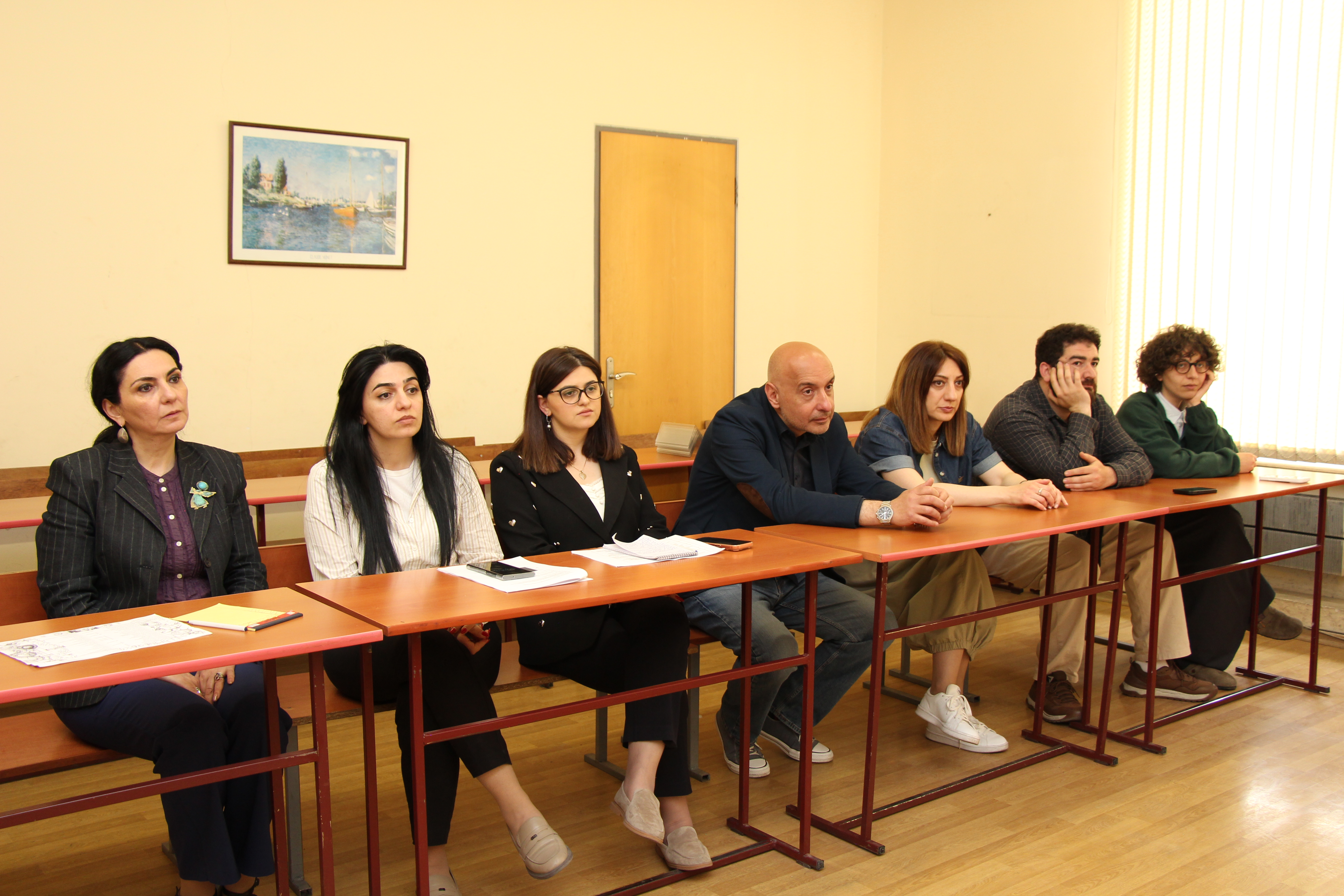
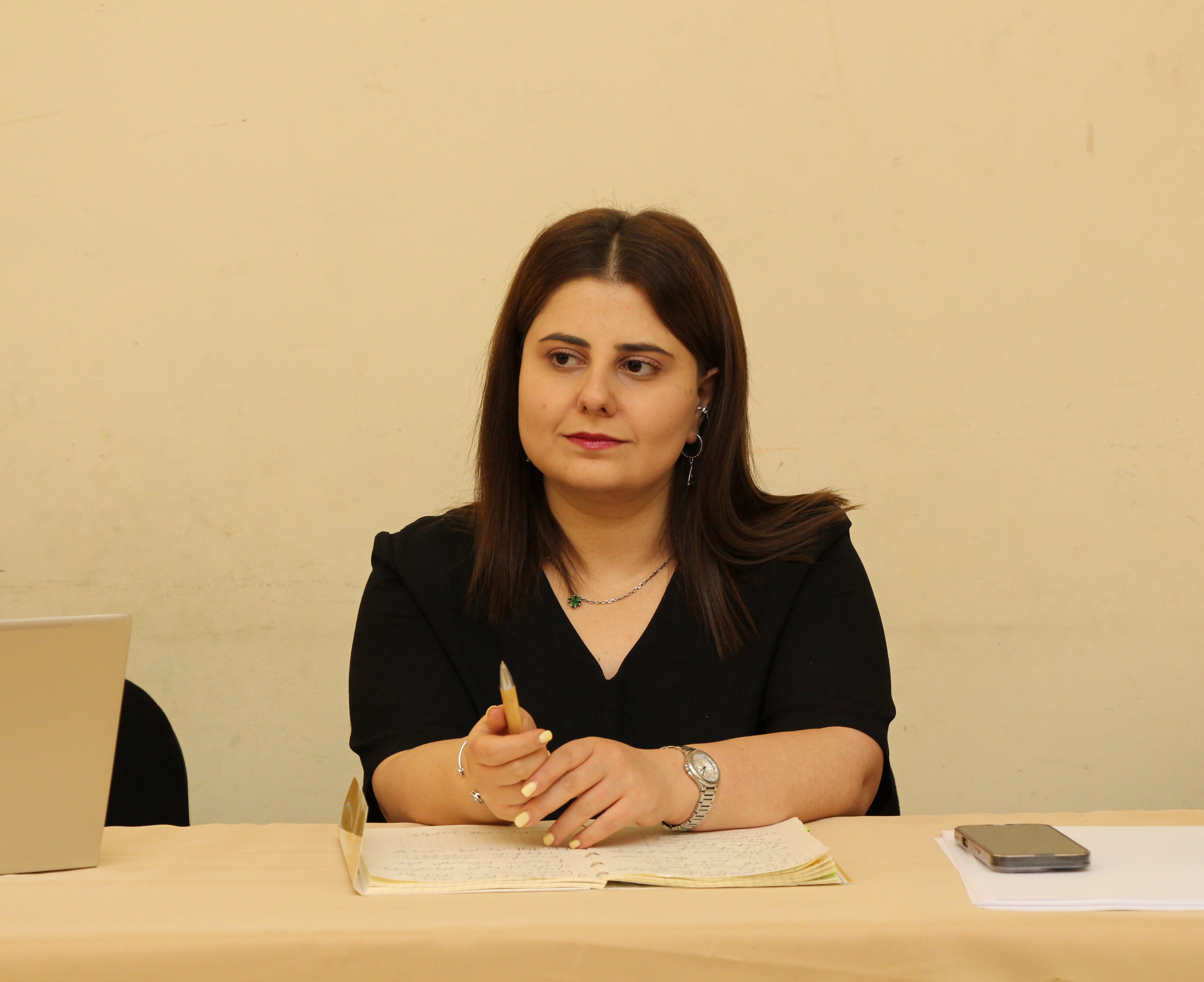
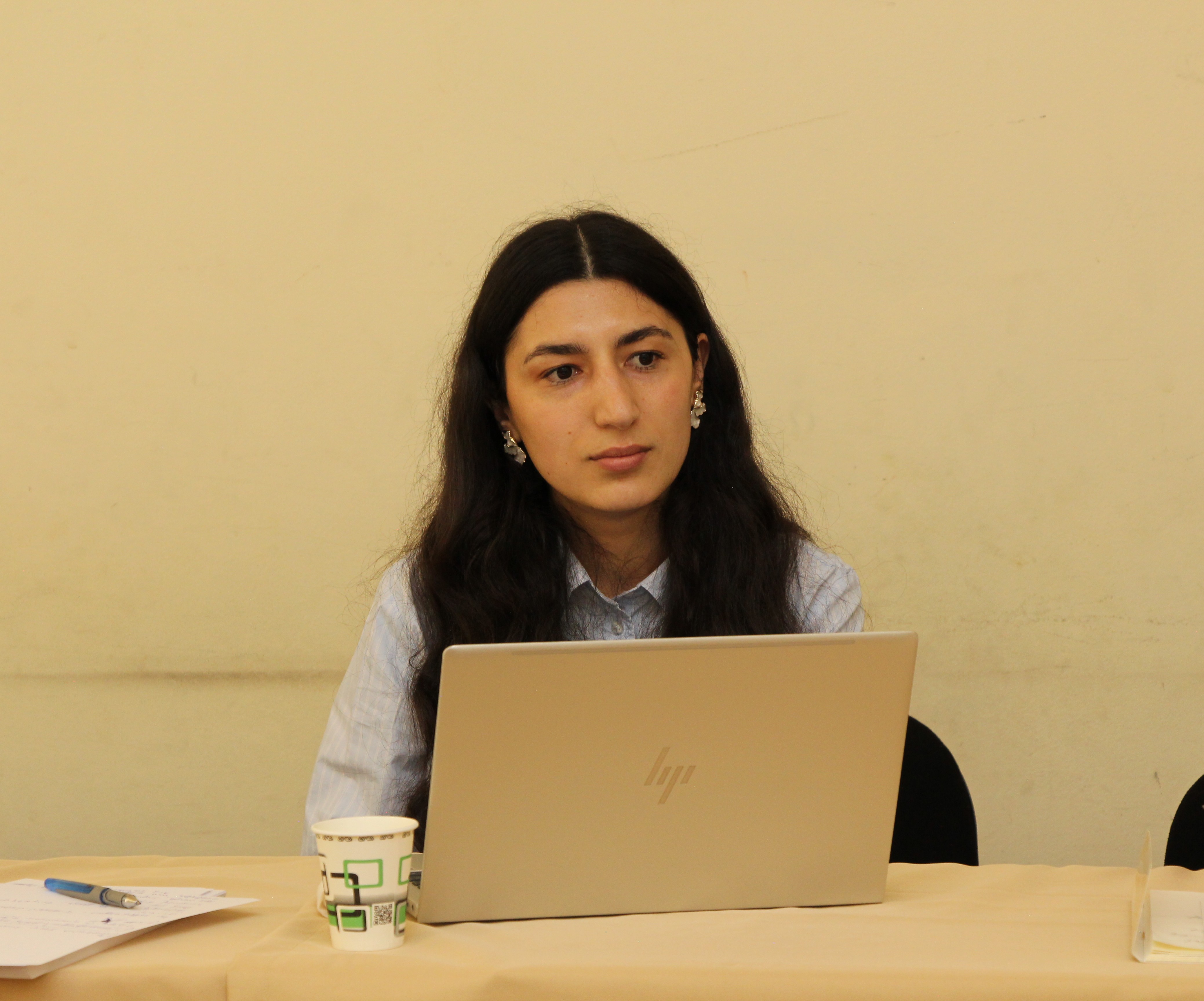
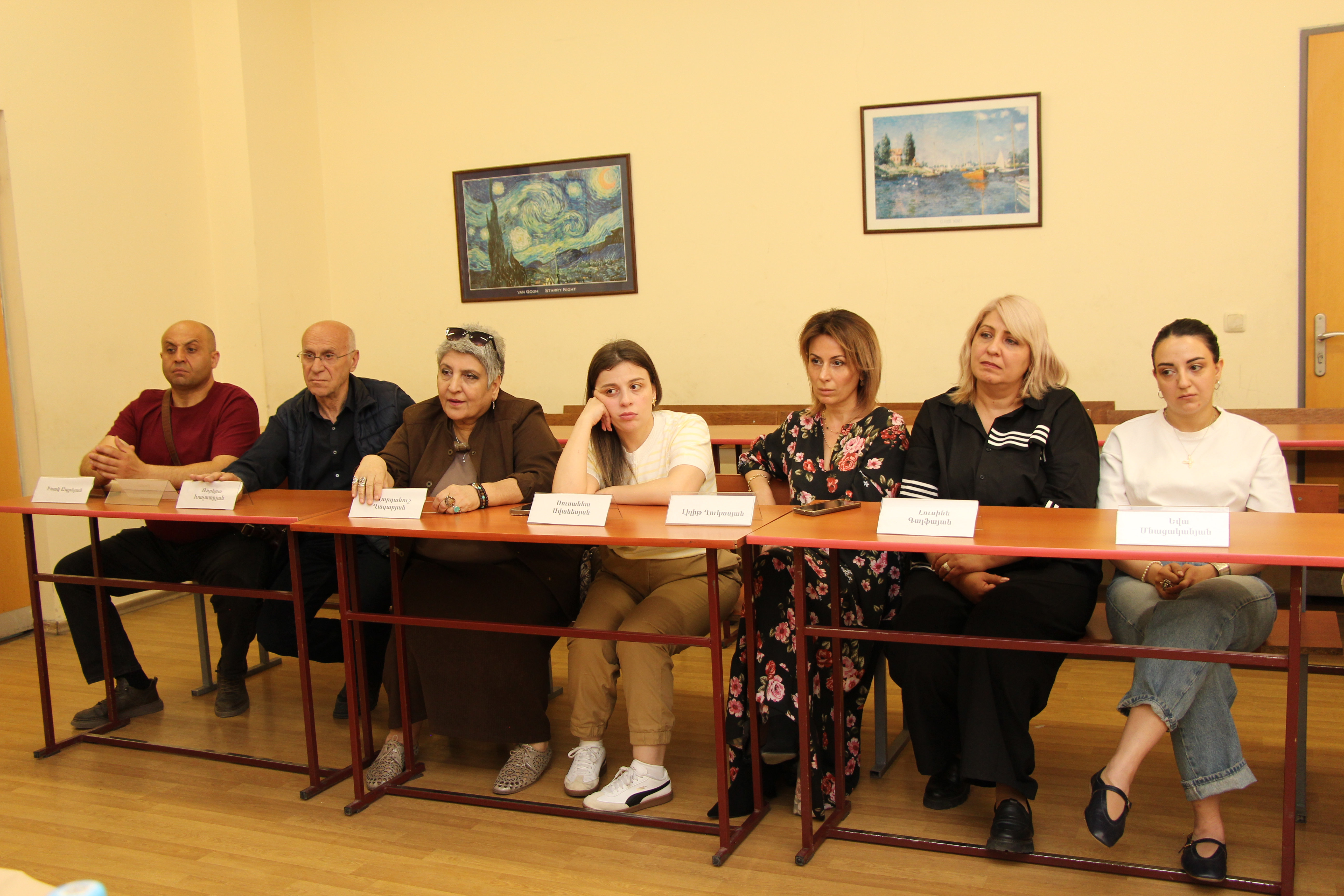
On May 22, ANQA conducted a monitoring at the Yerevan State College of Fine Arts Named after Panos Terlemezian. The aim was to observe post-accreditation progress in the academic programme (AP) development and teaching enhancement.
The monitoring focused on the changes in students' learning experience after the implementation of the follow-up plan, exploring the contribution of these changes to the achievement of the AP outcomes.
The discussions covered students’ professional development through assignments, teaching methods, feedback and assessment. Particular emphasis was placed on students’ understanding of the competences developed through each assignment, how these assignments increase in complexity throughout the course of study and the criteria applied to assess their progress.
Assignments as a basis for the development of professional thinking
Importance was attached to the role of assignments in the educational process. In art education, assignments are regarded not merely as learning activities but as key mechanisms for the development of students' professional thinking, technical and analytical skills and independent creative practice. From this perspective, assignments were viewed not as isolated tasks but as a coherent sequence that supports the achievement of the AP outcomes.
Approaches to enriching traditional art education with new tools
The discussions highlighted the institution's efforts to combine professional traditions with new tools and approaches are noticeable. Teachers and academic staff representatives shared examples of activities, involving the use of digital tools, the application of new creative methods, the promotion of interdisciplinary connections and the development of student portfolios.
In this context, it was emphasised that the modernisation of art education does not entail the replacement of classical professional preparation. Rather, new tools were seen as a means to strengthen students’ independent analytical skills, reasoned justification of creative choices and critical reflection on their work.
The art education quality is reflected not only in the final creative product, but also in process of thinking, exploration, experimentation and development.
Outcome mapping
One of the monitoring's key highlights was the mapping of the AP outcomes. The discussions addressed the importance of not only outcome formulation and their alignment with the National Qualifications Framework, but also the clear identification of:
- the module and stage of the programme at which the given competence is developed;
- the assignment that supports its achievement;
- the criteria applied to assess students' progress;
- how this data is used to inform the AP enhancement.
Portfolio as evidence of student progress
The discussions also addressed the development of portfolios. It was noted that a portfolio should document the student's learning process, from idea generation and research through sketches, experimentation and refinement to the final creative product. This approach makes students' progress visible and enables the evaluation of not only the outcomes, but also the learning process.
Assessment as a development guide
The assessment should not only summarise the completed work, but also guide the further development of ideas, techniques, application of materials and individual creative approaches.
Coordination of the AP content
The discussions also focused on the need for the coordination of the AP content. It was highlighted that coordination should extend beyond organisational issues to cover the academic programme itself, including the alignment of modules, the logical sequencing of assignments, assessment approaches and continuous programme enhancement.
Interdisciplinary connections
The importance of interdisciplinary connections, particularly between general education and professional subjects, was emphasised. It was noted that, in art education, students' holistic professional thinking is fostered not only through studio-based learning but also through the integration of theoretical, analytical, historical-cultural and communicative skills.
The monitoring concluded with a discussion, involving the institution's management and academic staffs. The recorded interim progress, the next steps in the AP development and the priorities for more systematic enhancement of the teaching process were addressed.